
-
Aging Sage did not begin with an answer.
It began with a question.
From that question,
And from that question came a conviction:
that later life should be understood
as a meaningful and intentional part of life.
-
When I turned fifty,
I made a suggestion to my friends.
Let’s look back on the past fifty years,
and think together about how we want to live the next fifty.
And let’s turn those reflections into a book.
My friends laughed and said,
“Just writing about what we’ve already lived would fill an entire book.”
That remark revealed how much we had been living with our eyes fixed only forward.
We reflected on the past,
and only then did we begin to think—truly think—
about how we wanted to shape the fifty years ahead. -

The 100-Year Promise of Friends at Fifty. This book was published in Korea in 2015. Although it was published only in Korea, the questions it raised about aging, life, and choice later became the foundation of Aging Sage.
-
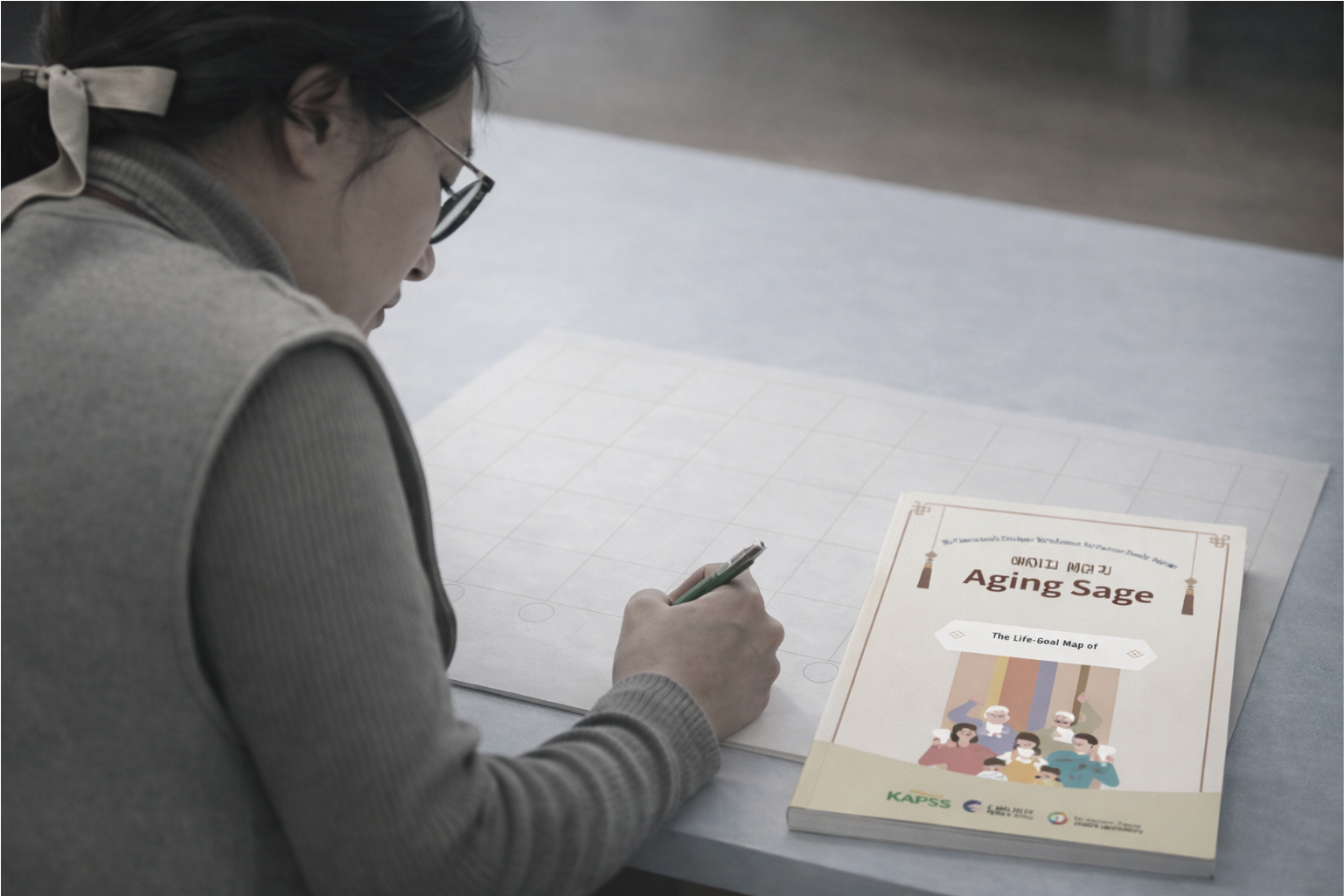
In front of the Life Canvas,
he held a pen and remained still for a long moment.
It was the first time he had ever seen his life laid out on a single page.
Later life had always felt vague.
But in that moment,
it became unmistakably present. -
-
People often think about later life in fragments.
Health. Money. Family. Time.
But when life is seen as a whole,
something quietly changes.
Aging Sage does not begin with answers.
It begins with a pause—
the moment someone sees their life
not as a problem to solve,
but as a story still unfolding. -
-
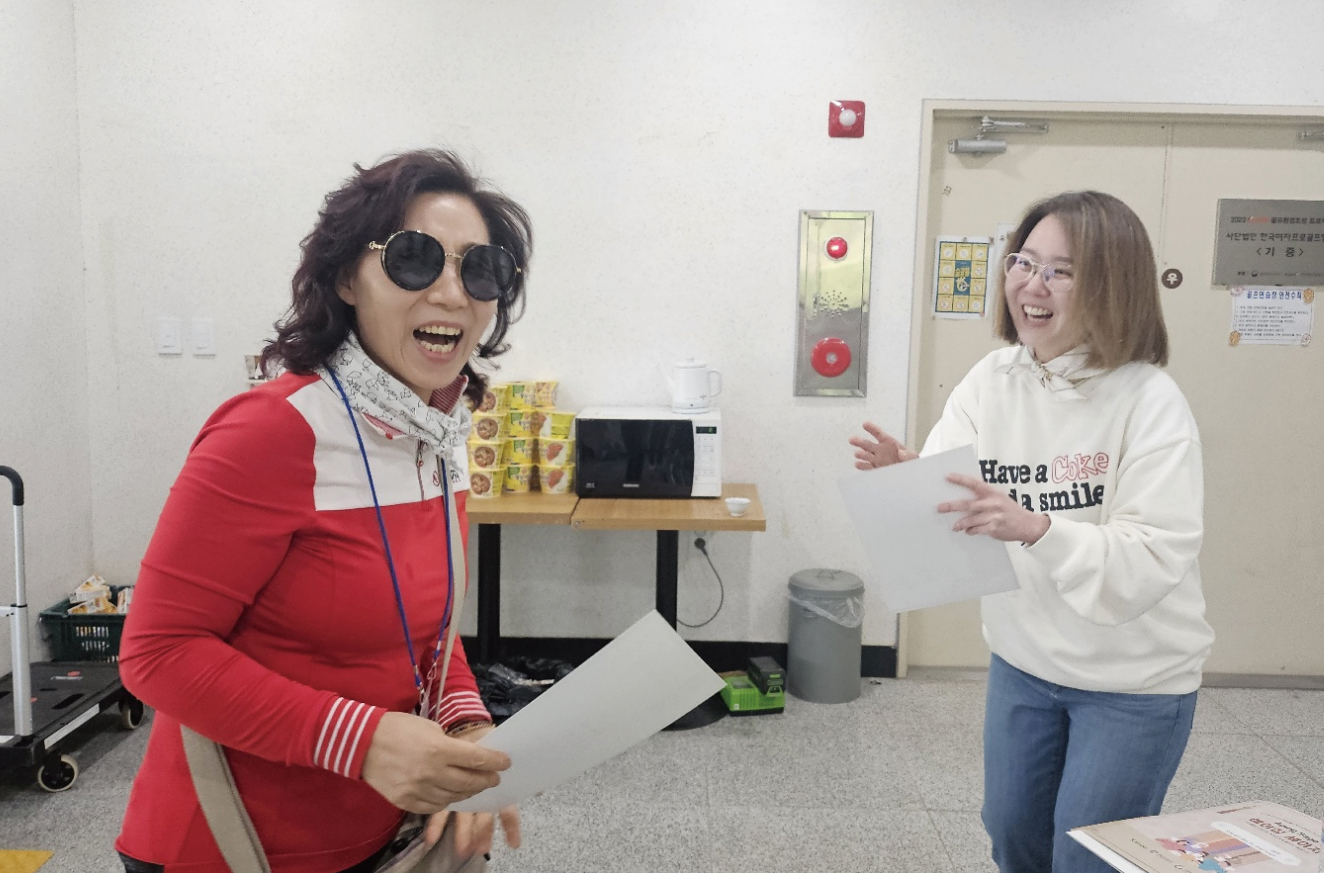
A moment before planning begins
“I’ve heard many times that I should prepare for old age,
but this was the first time it felt like my life.”
Before planning,
people need time to see their own lives as unfamiliar.
In that pause,
life becomes a question once again.
-